Protect San José’s Parks!

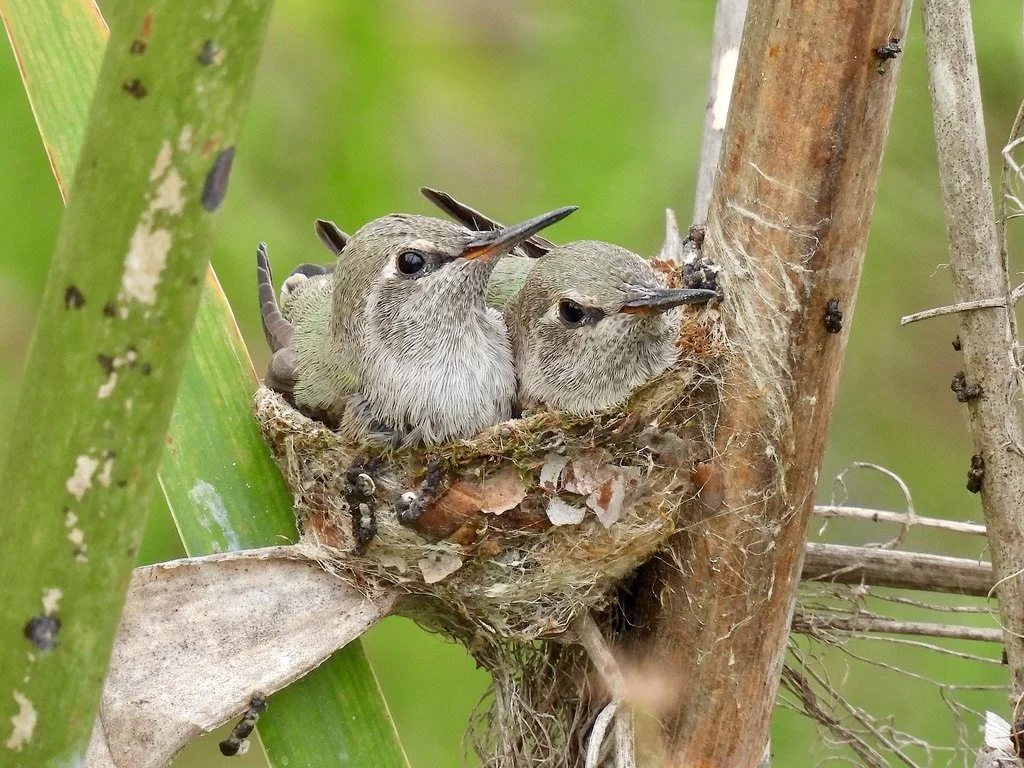
Anna’s Hummingbird chicks: Sushanta Bhandarkar

On Tuesday, March 25, 2025, the San José City Council will discuss the Definition of Chartered Parkland under Section 1700 of the City Charter (Agenda Item 7.1, File 25-292). This discussion will help City Staff  determine which city parks receive permanent protection from development or sale without voter approval.

The Santa Clara Valley Bird Alliance supports the staff report’s interpretation and the inclusion of 207 parks in the official Charter Park inventory (Attachment A). This is a critical step to preserve San José’s parks for future generations.

Why is this Important?

 Protects Public Parks Permanently – Ensures parkland remains inalienable unless approved by voters.
 Provides Clarity & Transparency – Establishes a clear, consistent policy on how Charter Park status is determined.
 Supports Wildlife & Green spaces – Parks provide vital habitat, recreation, and climate resilience.
 Aligns with Historical Intent – San José has protected public parklands since 1896, with voters reaffirming these protections in 1965.

How You Can Help:

 Email the City Council – Urge Mayor Matt Mahan and Council members to approve the staff report and protect all eligible parks. Email:  city.clerk@sanjoseca.gov (CC: mayor@sanjoseca.govdistrict2@sanjoseca.govdistrict1@sanjoseca.govdistrict2@sanjoseca.govdistrict3@sanjoseca.govdistrict4@sanjoseca.govdistrict5@sanjoseca.govdistrict6@sanjoseca.govdistrict7@sanjoseca.govdistrict8@sanjoseca.govdistrict9@sanjoseca.govdistrict10@sanjoseca.gov) with the subject, "I Support the Definition of Chartered Parkland (Agenda Item 7.1, File 25-292)". In your email, tell the mayor and council a little about yourself, and ask them to support this protection for our local parks.


 Attend the Council Meeting – Show support in person or via Zoom on March 25 at 6:00 PM Meeting Details

San José’s parks are essential to our community and our environment—let’s ensure they remain protected for the future!

Thank you!
March Updates

Avroh Shah is Bay Nature's 2025 Local Hero Young Leader

Our Environmental Advocacy team is fortunate to work with youth who are passionate, talented, and proactive in their advocacy for nature and the future of our planet. We are very pleased to see our friend Avroh Shah of the Palo Alto Student Climate Coalition selected as Bay Nature's 2025 Young Leader! Avroh brought together a diverse community that together, successfully averted the expansion of the airport into the Palo Alto Baylands, and continues to advocate for the environment.

Avroh will receive an award at Bay Nature’s 15th Local Hero Awards on Sunday, April 6. We hope you will be there to congratulate this outstanding local hero! For more information and to purchase tickets, see Bay Nature Local Hero Event.

Surveys:

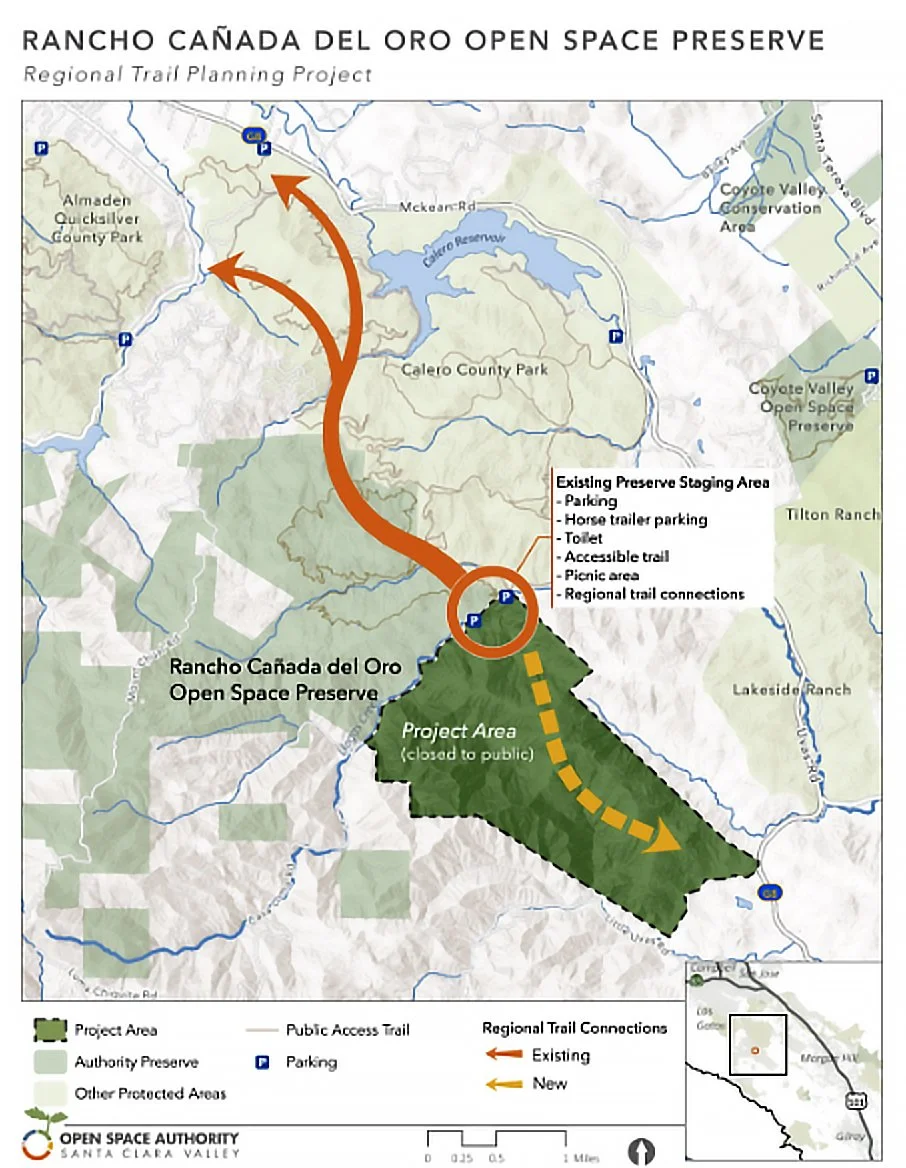
  1. Rancho Cañada del Oro Open Space Preserve Regional Trail Planning Survey

The purpose of the Rancho Cañada del Oro Open Space Preserve Regional Trail Planning project is to develop a plan for a trail network on the southern 1,800-acre portion of the Rancho Cañada del Oro Open Space Preserve, including an area formerly known as Blair Ranch. Access could support hiking, camping, mountain biking and horseback riding activities. This trail network would continue regional trail connections from the northern portion of the preserve. 

Please respond to a survey here.

As you reflect on the survey questions, please keep in mind that trail use can place stress on local wildlife, and activities like mountain biking and camping may impact native plants and animal species. Let’s be mindful and tread gently on the land!

2. The Bay Area Air District is asking all those who breathe to take this short survey for their Bay Area Regional Climate Action Plan (BARCAP) Survey today!

They are gathering feedback from Bay Area communities on priorities and concerns regarding regional climate goals and potential strategies and actions. Public input is critical to guiding the priorities for BARCAP development. This survey takes 5-10 minutes to complete. Submit a response for a chance to win one of four $50 Amazon gift cards!

Secure Link

Updates and issues we are working on:

  1. The Burrowing Owls of Shoreline Park

    Phil Higgins,  the Burrowing Owl biologist, remains on Administrative Leave. To fill the gap the city of Mountain View hired consultants who are ensuring that burrowing owls (and other birds) are protected when landfill and other projects take place. Another consulting group works to implement the Burrowing Owl Preservation Plan and the Wildlife Management Plan. In January, there were more than 20 owls at Shoreline.

    We expect many of the owls to leave soon and migrate to their breeding ground up north. Meanwhile, we ask all our members to be careful not to disturb owls, and at the same time be vigilant. Please report any concerns to Advocate@scvbirdalliance.org

  1. Vista Heights / Cupertino

    The Vista Heights project, aiming to build a new subdivision on the  Stevens Creek canyon rim, has met a red light. The City of Cupertino has deemed the project’s Builder’s Remedy application was incomplete and therefore, the City is no longer processing this application. However, the immense damage caused to the landscape of this property remains a gaping injury. The City required the project applicant, Mr. Chen, to submit a "Retroactive Grading Permit" for remediation/restoration of the immense damage to the hill. The deadline for this permit application has passed, and Cuopertino has issued a Notice of Violation. We continue to follow this project.

  2. Shoreline Protection (Sea Level Rise) in Palo Alto and Mountain View

    In November 2020, Santa Clara County voters approved Valley Water’s Safe, Clean Water and Natural Flood Protection Ballot Measure which included Project E7: San Francisco Bay Shoreline Project. This project, a multi-agency effort between the U.S. Army Corps of Engineers (USACE), Valley Water, the California State Coastal Conservancy, and regional stakeholders, aims to provide tidal flood protection, restore and enhance tidal marsh and related habitats, and improve recreational and public access along Santa Clara County's shoreline.

    Phase I levees (Alviso) are currently in construction. However, as costs escalate, Valley Water seeks to divert funds from Phase II (Palo Alto/Mountain View) to Phase I. This is of concern, because the Army Corps has decided not to provide funding to Phase I and so without funding from the approved ballot measure,  this area of our county - including baylands and critical  infrastructure - will remain unprotected for decades.

    We asked the Valley Water Board of Directors to:

● Preserve Safe, Clean Water and Natural Flood Protection Project E7 funding for

Phase II rather than reallocating it to other geographical areas.

● Retain the stated benefits of Project E7, including restoring 400 acres of tidal marsh

and related habitats in the Palo Alto/Mountain View area and protect critical structures, such as the Regional Water Quality Control Plant.

● Maintain the ability to use Project funds for design and construction to support

resilience efforts in these areas.

● Revise the Control Process Update to ensure robust outreach and engagement well in

advance of required public hearings.

Protect Palo Alto Streams: Important Community Meeting February 06

What is happening?
Palo Alto is developing a Stream Corridor Protection Ordinance. A hybrid community meeting will be held (in person or by Zoom) on Thursday, February 06, 2025. At this meeting, City staff will present an overview of Palo Alto’s creek protection regulations as well as a summary of their recommendations for updates.

Why is it important?
Creeks are a vital part of Palo Alto’s natural landscape, providing critical ecological habitat that supports biodiversity and offers important linkages for wildlife. They also contribute to the city’s aesthetic appeal and play a key role in flood mit654igation by channeling stormwater to the Bay.


Development setbacks typically require that a designated distance, measured from the “top of bank,” remain free from the construction of structures. These setbacks are essential because they buffer wildlife and habitats from disruptive activities, preserve ecological functions, and ensure the long-term health of riparian and aquatic environments. By maintaining these buffers, setbacks also help protect water quality, reduce erosion, and provide space for natural floodplains, which in turn reduce flood risks to homes in the watershed.


Even channelized creeks, which have been confined to concrete banks, can offer ecological benefits if setbacks are properly maintained. While concrete channels are far from ideal, they can still support urban ecosystems. Allowing trees and vegetation to grow along the banks can create a more functional riparian habitat, offering water and shelter to birds, insects, and other wildlife.

How can you help?
Community input is crucial to further refine options under consideration and staff recommendations before they are presented to the Planning and Transportation Commission and the City Council. Here’s how you can make a difference:
Join a community meeting in person or on Zoom and provide your feedback to help shape staff recommendations for the ordinance update!

📅 When: Thursday, February 6, 2025 | 6:00 PM to 8:00 PM
📍 In person: Palo Alto City Hall Lobby, 250 Hamilton Avenue (Free parking is available in the garage under City Hall.)
📍 On Zoom:
https://cityofpaloalto.zoom.us/j/81024332864
Meeting ID: 810 2433 2864 | Passcode: 494888

RSVPs are not required, but they help the City plan. To  RSVP for this community meeting use the link here.

Suggested Talking Points for Community Members:

  • Preserving Riparian Buffers: Emphasize the importance of setbacks to protect creek ecosystems and ensure they remain resilient to urbanization and climate change.

  • Ecological Benefits of Creeks: Highlight how creeks like San Francisquito, Adobe, and Matadero support biodiversity, water quality, and flood control.

  • Improving Channelized Creeks: Advocate for retrofitting or enhancing land near channelized sections with vegetation, trees, or habitat-friendly features to improve their ecological function.

  • Long-Term Planning for Resilience: Stress the need for policies that anticipate future challenges, such as increased flooding or habitat loss due to climate change.

  • Community and Aesthetic Value: Discuss the importance of creeks as natural spaces that enhance the community’s quality of life through recreation and education.

Your voice matters in ensuring that these vital natural resources are protected and restored for future generations. Together, we can create policies that balance urban development with the health of Palo Alto’s creeks and riparian environments.

Thank you for being active in your community,

Please tell County to approve artificial turf ordinance

Hi nature-lovers,

On Tuesday, January 28, the Santa Clara County Board of Supervisors will vote on an ordinance that would prevent the County from installing new artificial turf on County-owned property. Artificial turf (plastic grass) causes microplastic pollution and exposure to PFAS “forever chemicals,” as well as causing more player injuries than natural grass. Please email the Supervisors and tell them to vote for this ban and improve sustainability in our county!

What’s Happening

Santa Clara County is considering adopting a partial ban on artificial turf. This ban would apply only to property owned by the County – not to any sports fields owned by schools or city parks, or to privately owned homes or businesses. In addition, the ordinance includes an exemption for County-owned land where an existing lease requires the continued use of artificial turf. It also only bans new installation or replacement of artificial turf – it does not require removal of existing turf. 

Unfortunately, the artificial turf industry and some sports organizations have mounted a huge campaign to oppose the ordinance. As a result, many families mistakenly believe that this ordinance would require ripping out existing artificial turf sports fields, or that it would apply to all sports fields everywhere in the County, which could drastically affect playing time availability. When the Supervisors first considered this ordinance last summer, many people emailed and spoke to beg them not to approve the ordinance due to this mistaken belief.

The truth is that there are only a handful of sites which contain County-owned land with artificial turf, and most of those fall under the existing lease exemption. There is a proposal to create new sports fields at the County Fairgrounds site, and the ordinance would apply to those if approved.

Why It Matters

Artificial turf can be more accurately described as “plastic grass.” The plastic material degrades over time, creating microplastics that are washed into storm drains and out into the ocean where they impact marine species. And the chemicals used in artificial turf are known as “forever chemicals” because they never break down. Artificial turf has the dubious distinction of being something that will linger on this planet forever. Considering that as a playing surface, artificial turf only lasts 8-10 years before it must be hauled to a landfill and replaced, that is a very short usable lifespan compared to the millions of years this product will stay in our environment.

Artificial turf is not even a superior playing surface. It results in more player injuries than natural grass fields, and it reaches temperatures during hot days that make it hazardous to use. As climate change accelerates, there will be more and more days of extreme heat, meaning there will be more and more days when artificial turf playing fields will be unusable. Supervisor Otto Lee’s office has created an FAQ on artificial turf with more information. 

While this ordinance is extremely limited in its impact, even this modest action will serve as a first step towards encouraging other counties and cities to consider enacting their own bans.

What You Can Do

Please email the Supervisors and tell them to vote for the artificial turf ordinance!