Palo Alto Vote on Bird-Friendly Building Ordinance (March 16)

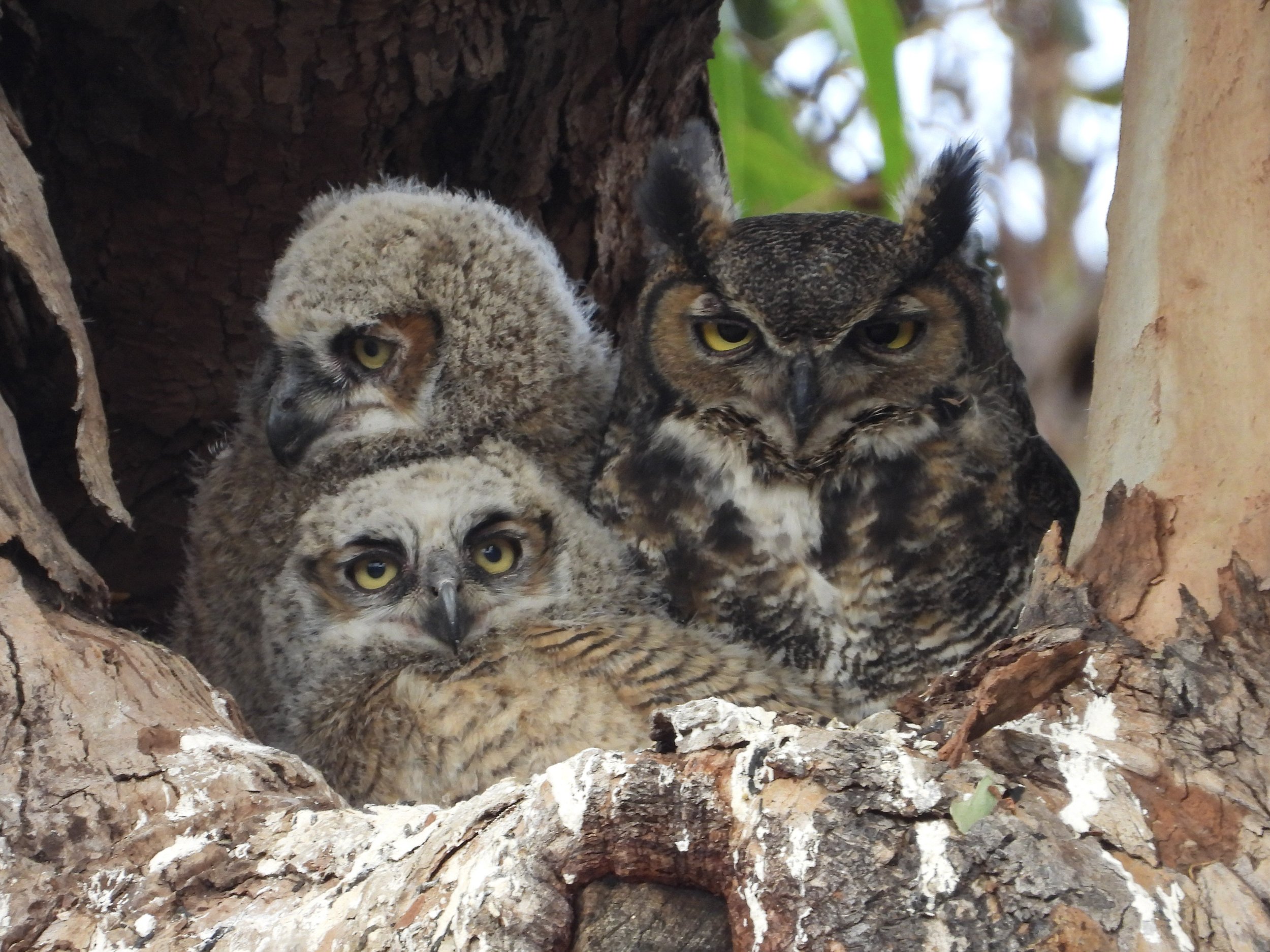
Great-Horned Owls: Sarah Chan

What is happening?

On Monday, March 16, the Palo Alto City Council will vote on a Bird-Friendly Design Ordinance to reduce bird deaths caused by collisions with glass buildings.

The proposed ordinance would require bird-friendly treatment for large expanses of glass in new buildings and major remodels so that birds can see and avoid the glass.  

The proposed ordinance DOES NOT APPLY to:

  • Residential buildings under 35 feet outside the Bird Sensitive Area. Bird Sensitive      Areas are only in the Baylands (east of 101) and the foothills (west of      Foothills Expressway), so most of the City residential areas are exempt,      up to 35-ft.

  • Routine window replacement is not regulated anywhere in the city, unless it      requires a building permit and creates a defined bird hazard.

  • Low income housing, Accessory Dwelling Units and Historical buildings are      exempt.

Why is this important?

Scientific research shows that bird populations in North America are declining, and collisions with glass and other human-made structures are a major driver in this decline. It is estimated that every year in North America a billion birds are killed by collisions with windows.

In urban/suburban landscapes, most bird collisions occur at tree-canopy height - from ground level to roughly 60 feet. This is particularly important in Palo Alto, where birds are abundant not only in the Baylands and foothills, but also along creeks and throughout the city’s urban forest.

The proposed ordinance represents years of review and community input. However, staff has recommended changes that could significantly weaken the ordinance, including expanding the 35-foot exemption to all development types, which would exempt commercial buildings. The building areas where bird strikes are most likely to happen will be exempt.

What you can do

1. Send a short email to the Palo Alto City Council. Here is an example for an email:

To: city.council@cityofpaloalto.org

Subject: Please Protect Birds in Palo Alto

Dear Mayor Veenker and Palo Alto Councilmembers,

[Introduce yourself and briefly say why you care about birds and the Palo Alto community. If you have witnessed a bird strike, feel free to share that experience.]

I am writing to ask you to adopt the Bird-Friendly Design Ordinance as drafted.

Please reject staff-recommended changes that could weaken the ordinance, such as expanding the 35-foot exemption to all development types. Most bird collisions occur at tree-canopy height, and expanding this exemption would remove protections where they are most needed.

There are many bird-safe window treatments and design options available, and these should be used rather than exempting commercial buildings.

Thank you for your service to our community.

Sincerely,
(Your name)

2. You may also attend or watch the meeting on March 16 and speak during public comment. You may participate remotely (https://cityofpaloalto.zoom.us/j/362027238)

This item (14) is expected to be discussed after 9pm. As soon as the discussion of item 14 starts, raise your hand. When your name is called, you will have two minutes to speak. You can use the sample letter above as a starting point for your public comment

If you attend in person, you can fill out a public comment slip located at a table near the entrance to the City Council chambers. Once you add your name and the agenda item (Item 14), you can deposit that slip in a basket near the City Clerk’s table. Your name will be called during public comment and you can speak at the podium for two minutes. 

Thank you for helping protect birds in our community.
 

Fighting Heritage Oaks - Comment on the Upcoming SEIR

Please Comment on the Heritage Oaks Memorial Park SEIR

The City of San José is accepting public comments on the Supplemental Environmental Impact Report (SEIR) for the proposed Heritage Oaks Memorial Park project in the hills above Coyote Valley. The project would introduce a gas-powered crematory, cemetery with lawns, buildings, roads, parking, utilities, and introduce long-term human activity into a largely undeveloped open space landscape that plays an important role in wildlife movement and habitat connectivity.

We are concerned!

  • Crematory, natural gas infrastructure: a crematory is an industrial land use that does not belong in the open space on the ridge between Coyote Valley and Calero reservoir. A better alternative would be placing the crematory in an industrial area of the City. The SEIR does not explore alternative locations for a crematory, and does not adequately analyze the impacts of construction of natural gas infrastructure that is needed to support a crematory. Long-term air and greenhouse gas emissions from the proposed crematory are also not fully analyzed.

  • Wildlife connectivity: The SEIR underestimates landscape-level impacts to wildlife movement between ridgelines and the Coyote Valley floor and relies too heavily on site-level mitigation.

  • Human disturbance and edge effects: Even with limited lighting and no perimeter fencing, roads, structures, traffic, and ongoing visitation would increase noise, nighttime presence, and disturbance in sensitive habitat.

  • Recycled water. Watering lawns, even with recycled water, should be avoided in an era of climate change when water supply is fluctuating. Furthermore, the SEIR does not adequately address construction and groundwater risks associated with the recycled water pipeline.

What can you do?

Please submit a comment expressing these concerns.

Deadline: March 4

Email: Bethelhem.Telahun@sanjoseca.gov

CC: Mayoremail@sanjoseca.gov, District1@sanjoseca.gov, District2@sanjoseca.gov, District3@sanjoseca.gov, District4@sanjoseca.gov, District5@sanjoseca.gov, District6@sanjoseca.govDistrict7@sanjoseca.gov, District8@sanjoseca.gov, District9@sanjoseca.gov, District10@sanjoseca.gov

BCC: Advocate@scvbirdalliance.org

Subject Line: Heritage Oaks Memorial Park SEIR

Suggested Opposing Statement (feel free to copy/paste or elaborate):

I oppose approval of the Heritage Oaks Memorial Park project and the Supplemental EIR as proposed. The SEIR does not adequately address impacts to wildlife connectivity, habitat fragmentation, and the long-term consequences of introducing roads, structures, and sustained human activity into a largely undeveloped hillside landscape.

The proposed crematory would introduce ongoing air emissions and an industrial land use into this sensitive setting. The SEIR fails to adequately analyze these impacts or to evaluate reasonable alternative locations that would better protect wildlife, open space, and nearby communities.

Please do not allow a crematory in this location.

Let’s Give Sunnyvale Back Its Night Sky

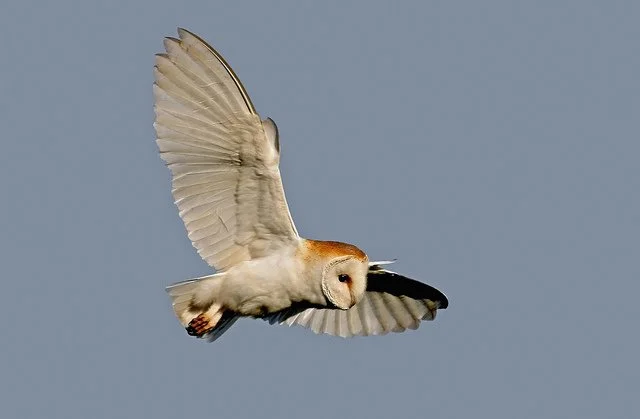
Barn Owl: Tom Grey

Let’s Give Sunnyvale Back Its Night Sky (and the Birds Will Thank You!)

Ever notice how hard it is to see the stars anymore?
Or how birds, bats, and other nighttime wildlife seem a little… confused?

Too much artificial light at night isn’t just unnecessary — it disrupts wildlife, affects human health, and washes out the beauty of the night sky. The good news? We can fix this, easily and affordably.

Cities like Cupertino, Los Altos, Palo Alto, and Brisbane already have Dark Sky ordinances, and Mountain View is working on one now. These policies improve lighting quality, save energy, protect wildlife, and still keep our neighborhoods safe.

Now it’s Sunnyvale’s turn.

By signing this petition, you’re simply asking the Sunnyvale City Council to start a conversation about a Dark Sky Ordinance, using best practices developed by Dark Sky International. No rigid demands — just a thoughtful, community-based discussion about better lighting.

Please take a moment to sign the petition:
sunnyvaledarksky.org

Let’s make Sunnyvale’s nights healthier, calmer, and more beautiful — for people, birds, and all the creatures who depend on the dark.

Thank you for lending your voice!

Rani Fischer
Chair, Environmental Action Committee
Santa Clara Valley Bird Alliance

Juristac Protected: A Long-Awaited Conservation Win

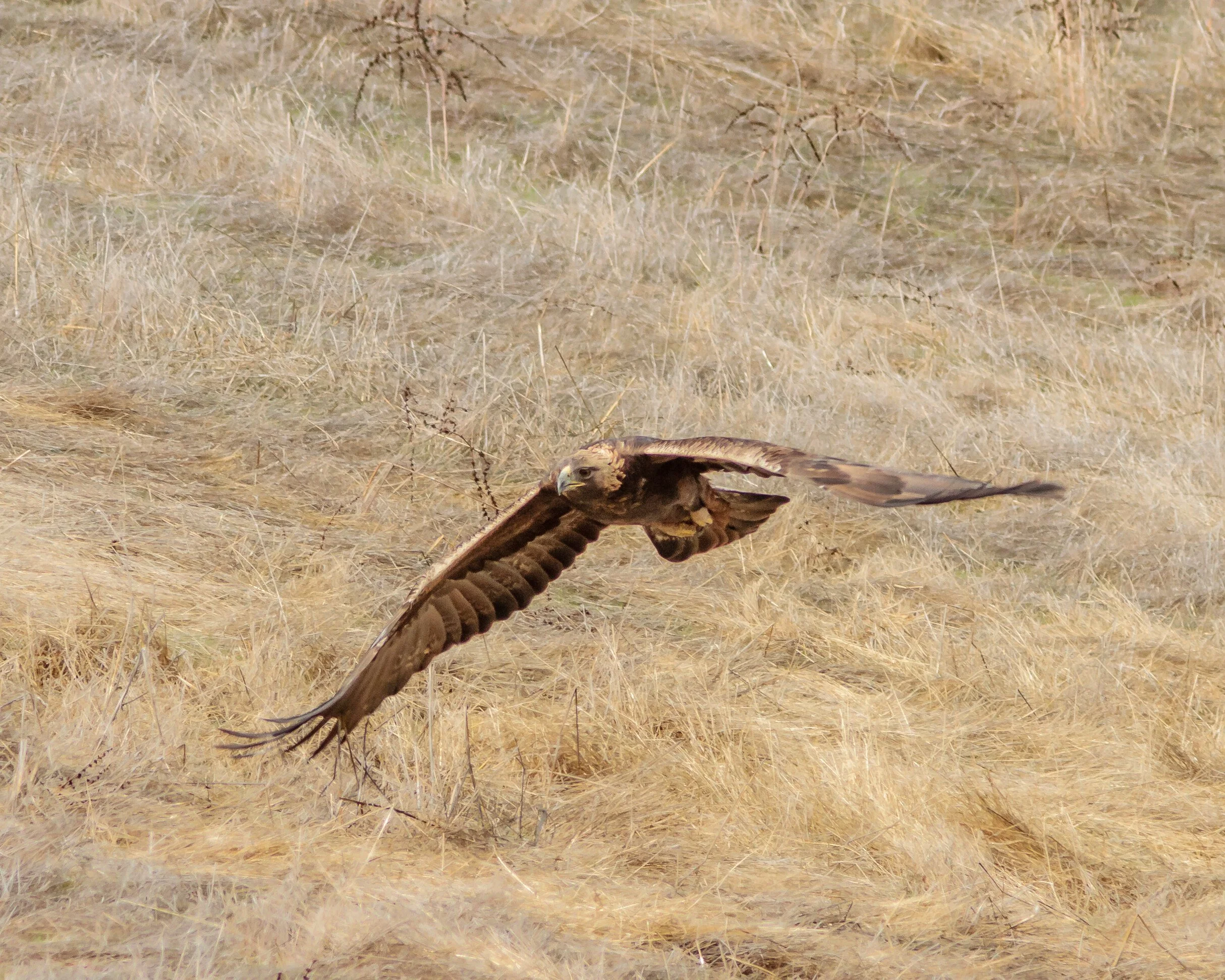
Golden Eagle: Chuq von Rospach

Juristac Protected: A Long-Awaited Conservation Win

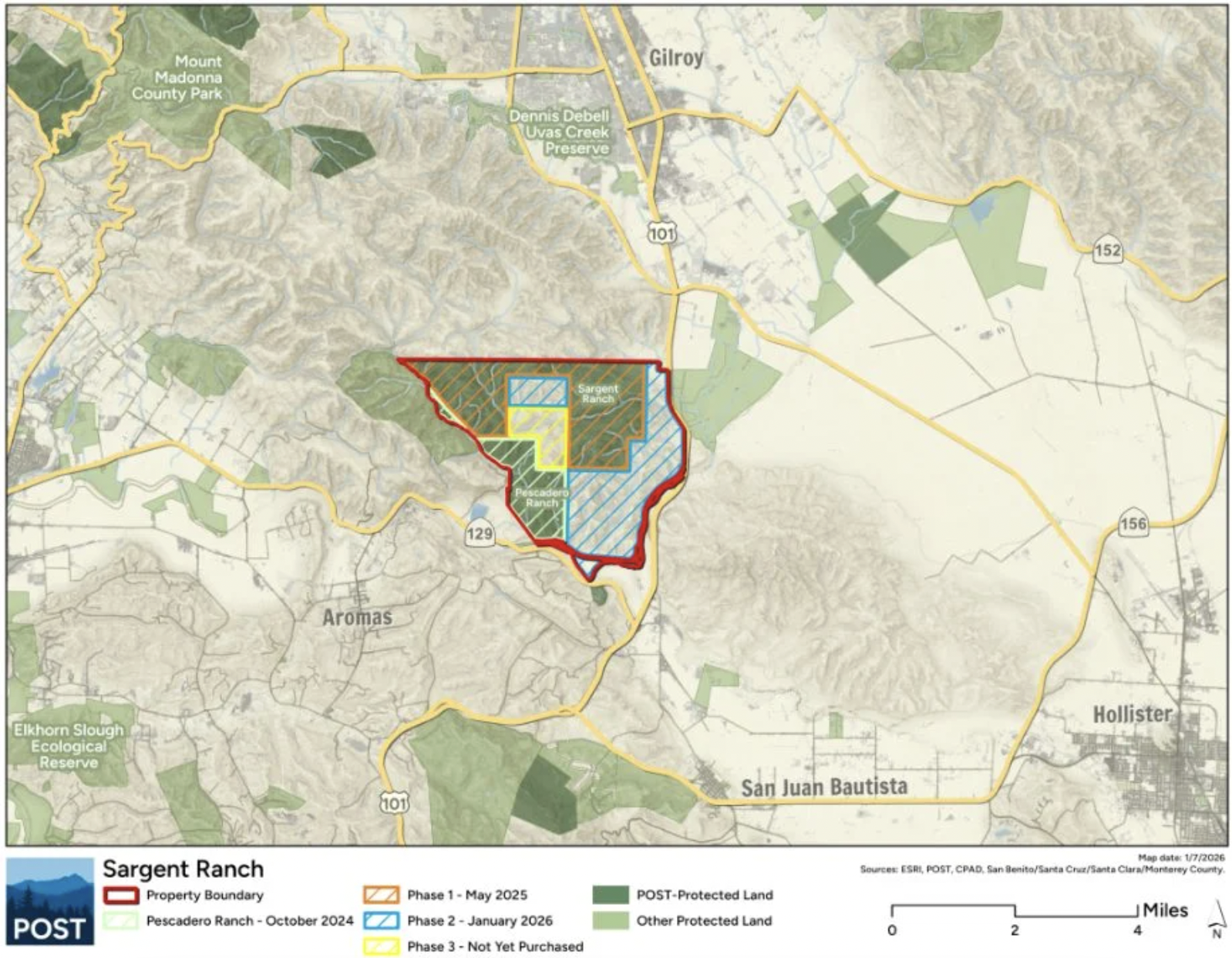
After decades of uncertainty and repeated development threats, Juristac (aka Sargent Ranch) is finally protected. The Peninsula Open Space Trust has announced the purchase of an additional 2,284 acres, bringing the total protected land at Juristac to more than 6,100 acres of rolling hills, grasslands and oak woodlands, creeks, riparian forests and sycamore woodlands. The threats of development, mining, and other extractive activities are over!

For the Santa Clara Valley Bird Alliance, this moment reflects many years of advocacy alongside many conservation groups and in strong support of the Amah Mutsun Tribal Band, for whom Juristac is a sacred cultural landscape.

Why Juristac Matters

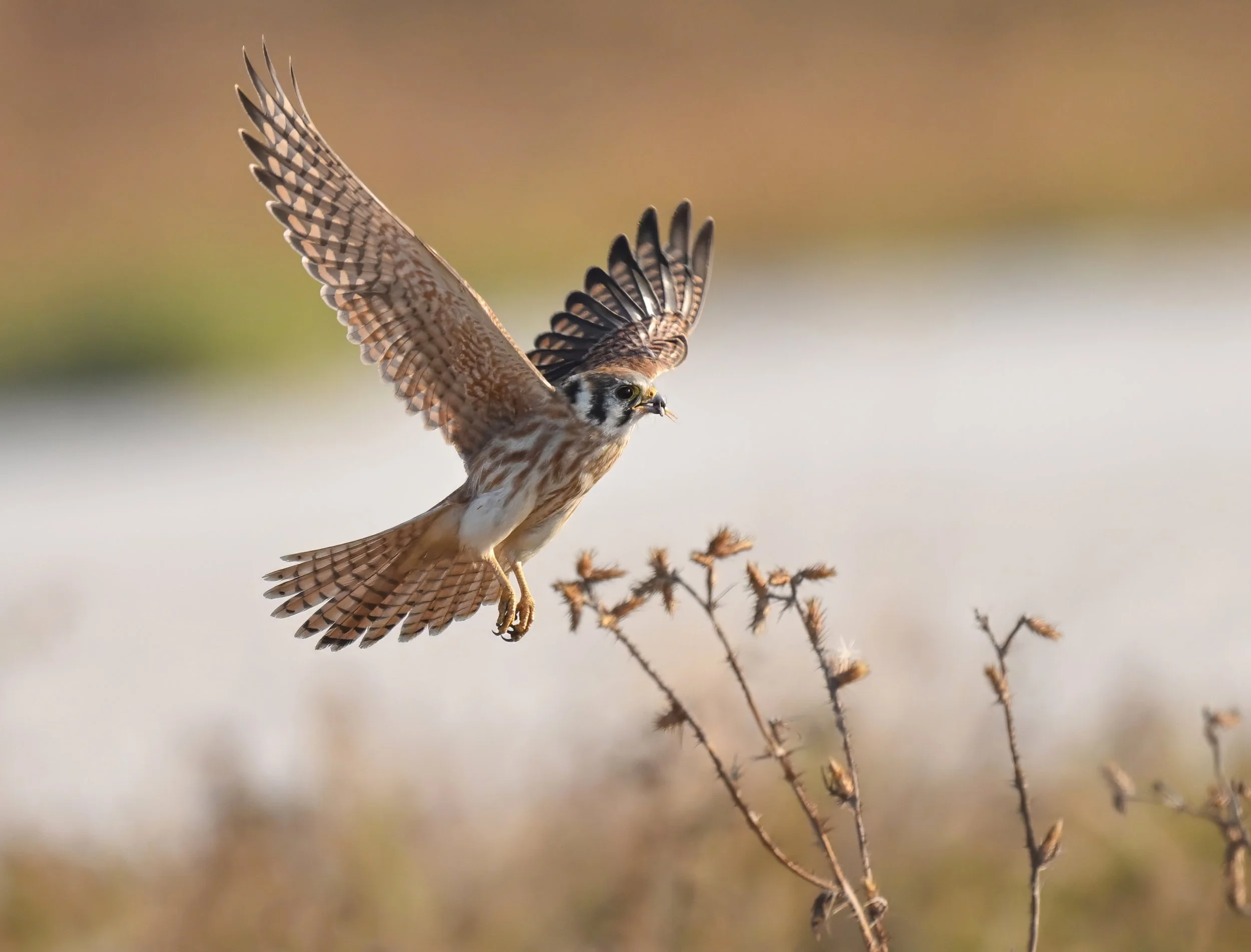
Juristac protects one of the last large, contiguous grassland landscapes in Santa Clara County. These habitats support raptors like Golden Eagles, Burrowing Owls, kestrels and hawks. Golden Eagles rely on expansive, connected open lands for hunting and dispersal, while burrowing owls need open grasslands to nest and forage successfully. Red-tailed Hwks, Northern Harriers, and other raptors use Juristac’s rolling hills, oak woodlands, and creek corridors for hunting and migration. Juristac also protects one of the last Sycamore alluvial woodlands in our region, an important stopover habitat for many species of migratory birds.

Furthermore, Juristac provides an important connectivity element of the California landscape, linking habitat in the Santa Cruz Mountains, Diablo Range, and Gabilan Range. This linkage allows wildlife to move across the landscape, adapt to climate change, and maintain healthy populations. Grassland birds, raptors, amphibians, and large mammals all depend on this connected terrain.

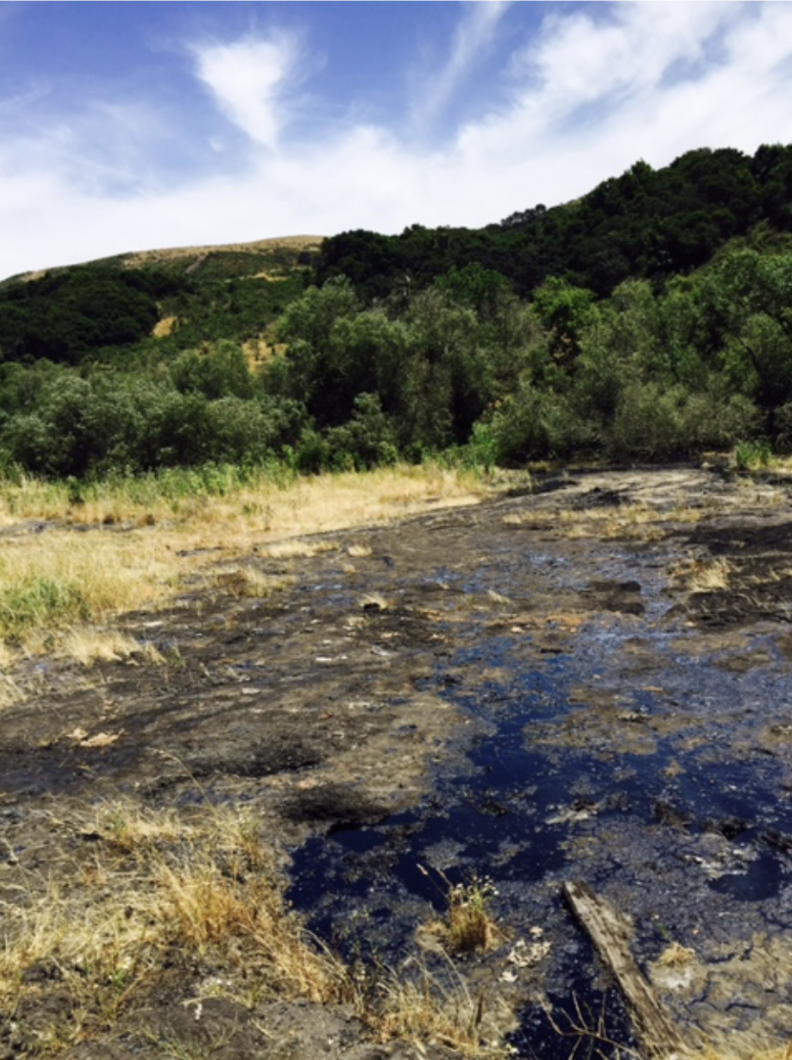
Tar Creek at Sargent Ranch: Shani Kleinhaus

The land also holds deep cultural significance. For thousands of years, Juristac has been a place of ceremony, healing, and gathering for the Amah Mutsun people. The land was originally part of the early 19th-century Mexican land grant Rancho Juristac, tying today’s conservation to centuries of layered history in this region.

Juristac is also geologically unique. The property includes natural tar springs, where petroleum seeps to the surface and slowly feeds Tar Creek - an uncommon and striking geological feature in this region. These features are part of Juristac’s natural history and add yet another reason this landscape is irreplaceable.

By keeping this landscape whole and free from development, the Santa Clara Valley Bird Alliance helped secure real, functioning habitat, ensuring that raptors can soar, hunt, and move across this critical landscape for generations to come.

A Complicated History

Over the decades, Sargent Ranch has drawn repeated development schemes, including oil extraction, golf courses, casinos, luxury housing, quarries, and mining. Many of these efforts ended in litigation or bankruptcy, underscoring the land’s vulnerability and its enduring value.

Throughout this long history, SCVBA has remained engaged, raising concerns about bird habitat, water quality and wildlife movement, and consistently supporting protection of the land rather than industrial use.

Looking Ahead

With this latest acquisition, Juristac is finally shifting from uncertainty to stewardship. For birds, wildlife, and people, this protection means intact habitat, dark skies, flowing creeks, and a future shaped by respect for both nature and culture.


Juristac — By the Numbers

  • 2,284 acres - newly protected in this acquisition

  • 6,100+ acres -  now conserved overall

  • 3 major mountain ranges connected - Santa Cruz, Diablo, Gabilan

  • Thousands of years - of Amah Mutsun cultural history

  • Multiple decades - of community and conservation advocacy

  • Rare tar springs - unique geological features preserved